
English| EUR
Suggested for you
More currencies
Choose a language
A day among the vineyards requires more than enthusiasm. The Cape Winelands climate shifts rapidly between mountain shade and valley sun, and tasting rooms enforce standards most visitors overlook until arrival.
Quick answer
Pack sunscreen, a valid photo ID for age verification, comfortable closed-toe shoes for uneven terrain, a light jacket or cardigan for temperature changes between estates, and enough cash or card for tasting fees that typically range from 50 to 150 ZAR per farm. A reusable water bottle keeps you hydrated between stops, and a small bag holds purchases without cluttering tasting counters.
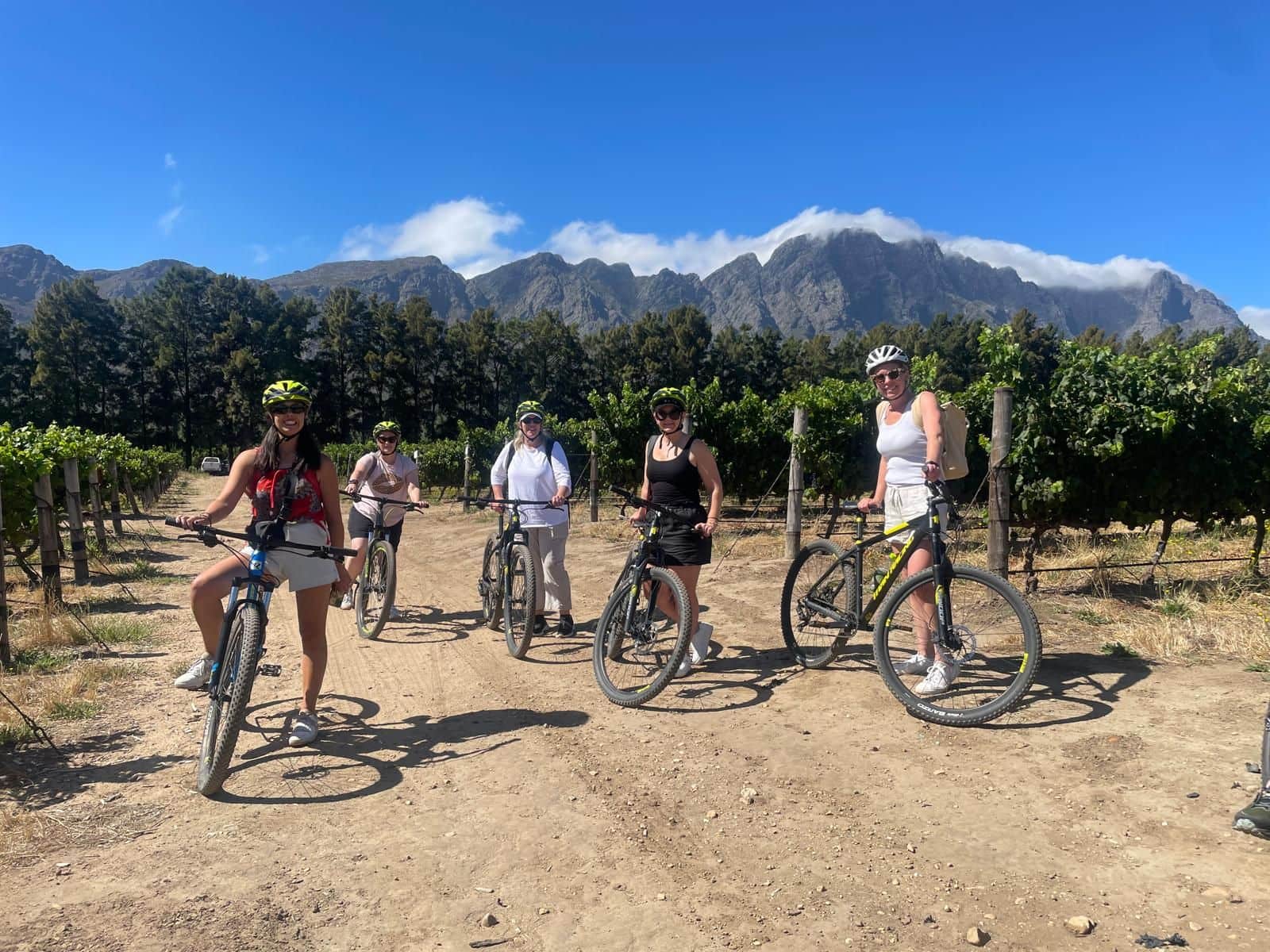
Stellenbosch wine farms sit on working agricultural land where cobblestones meet gravel paths and tasting rooms open onto sun-drenched terraces. Visitors who arrive unprepared for the terrain or the climate spend their afternoon uncomfortable, distracted from the experience they traveled to enjoy. The Western Cape's weather defies single-layer planning. Morning fog in the valleys burns off by mid-morning, pushing temperatures from 12°C to 28°C within two hours. Estates built into hillsides offer shaded cellars that stay cool year-round, then lead to outdoor seating where the sun reflects off whitewashed walls. Layering solves this, a cotton shirt under a removable cardigan or linen blazer that adapts as you move between microclimates. Closed-toe shoes with grip prevent slips on cellar stairs and vineyard walkways, where polished concrete gives way to packed earth without warning. Tasting rooms require identification to comply with South Africa's liquor laws, and many estates operate on a cash-preferred basis for small purchases despite card facilities at the register. A cross-body bag or daypack keeps hands free for swirling glasses and taking notes, while a phone captures label photos for reordering later. Sunscreen, polarized sunglasses, and a wide-brimmed hat counter the ultraviolet intensity that visitors from northern latitudes underestimate, the Cape's ozone layer thinner than Europe's or North America's at comparable seasons. What to bring on a wine tour ultimately reflects respect for the setting and the producers who open their estates daily. A tasting journal, a pen that works on damp paper, and a collapsible cooler bag for bottle purchases show intent beyond casual sampling. The farms themselves provide glassware, palate cleansers, and dump buckets, but personal preparation determines whether the day unfolds smoothly or devolves into logistical scrambling between stops.
“The Western Cape's weather defies single-layer planning, with temperatures shifting from 12°C to 28°C as morning fog burns off the valleys.”
A successful wine tour in the Cape Winelands requires a few practical essentials to keep you comfortable through tastings and estate visits.
The best arrival window is 09:00–11:00, which allows visitors to start in cooler temperatures and explore before afternoon peak crowds. Planning your tour around these early hours helps determine whether to pack layers for the brisk morning air or lighter clothing for the warmer, sunnier afternoons.
Dry and hot, 25°C–30°C
Expect intense heat; bring sun protection and light clothing.
Mild, 18°C–24°C
Moderate temperatures provide comfortable conditions for outdoor tastings.
Cool and wet, 12°C–18°C
Rain is frequent; bring waterproof layers and warm clothing.
Pleasant, 18°C–25°C
Ideal weather for greenery and comfortable outdoor estate visits.
Verdict: Tuesday to Thursday, 09:00–11:00 arrival, during April or October offers the most favorable balance of weather and crowd levels.
Wine tasting relies on scent and concentration. Strong perfumes, colognes, or noisy accessories interfere with the sommelier's presentation and other guests' ability to evaluate aromas, while proper attire respects the estates' standards.
The Cape Winelands wine estates operate on a consistent schedule throughout the week to assist with your daily planning. Tours and tastings are available daily from 09:00 to 17:00.
While entry to wine estates in the Cape Winelands is 0 ZAR, guests should anticipate paying individual tasting fees at each location. It is advisable to carry both cash and a valid bank card, as payment policies for these tastings can vary between farms.
Verdict: A typical adult pays 0 ZAR for entry, with total costs depending entirely on the number and selection of tastings chosen throughout the day.
Everything you need to know about what to bring on a wine tour
When preparing for your visit to the Cape Winelands, consider bringing sun protection, a light jacket, and comfortable walking shoes. It is wise to have a water bottle to stay hydrated throughout your journey between estates.
While there is no strict dress code, smart-casual attire is common at most wine farms. Choosing breathable fabrics will help you feel comfortable while moving between the vineyards and tasting rooms.
To decide what to bring on a wine tour, prioritize items like sunglasses, a hat, and a portable power bank for your mobile devices. Having these items ensures you can capture photos and navigate your route without interruption.
Although many farms accept card payments, having some cash for gratuities or small purchases can be helpful. Entrance to the estates is 0 ZAR, but keep in mind that tasting fees vary by wine farm.
During the warmer months, what to bring on a wine tour includes sunscreen, a wide-brimmed hat, and lightweight clothing. Staying hydrated is essential, so keep a bottle of water accessible during your afternoon travels.
For a Stellenbosch wine excursion, bring a valid ID and your booking confirmation for any transport services. Having these documents ready makes the check-in process efficient as you explore the region.
Deciding what to bring on a wine tour requires planning for a full day of activity from 09:00 to 17:00. Bringing a small daypack allows you to carry your essentials easily while enjoying the landscape.
Since weather in the Western Cape can shift, what to bring on a wine tour includes layers such as a light sweater or pashmina. This approach allows you to adjust quickly if you move from sunny outdoor vineyards into cooler indoor barrel rooms.