English| EUR
Suggested for you
More currencies
Choose a language
Wine tours in Cape Winelands follow a flexible structure that puts you in control of your pace and choices. Most visitors move between estates independently or via hop-on hop-off transport, stopping at cellar doors for guided tastings and vineyard walks. The district operates daily from 09:00 to 17:00, with individual estates setting their own tasting schedules and fees.
Quick answer
What do you do on a wine tour in Cape Winelands? You visit multiple wine estates across the district, sample wines at cellar doors (where individual tasting fees apply per person), tour production facilities when available, and explore vineyard landscapes. Each estate operates independently with its own tasting menu and approach. Arriving between 09:00 and 11:00 helps you secure better availability and avoid afternoon crowds, since most estates close by 17:00.
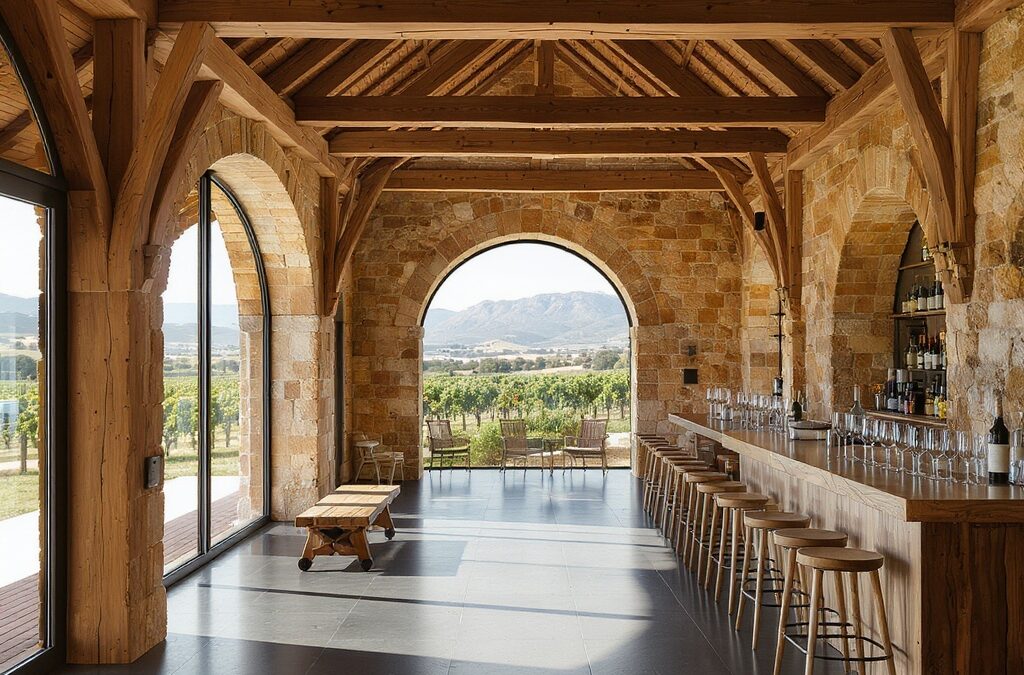
The Cape Winelands district contains over two hundred working wine estates, yet no central ticketing system governs access. Entry to estate grounds is free, and what you do on a wine tour depends entirely on which properties you choose and how you structure your route. A cellar door tasting is the core activity. You present yourself at the estate's tasting room, pay the individual fee, and a host pours a flight of four to six wines while explaining varietal characteristics and production methods. Some estates offer vineyard walks between tastings, others open their barrel rooms for brief tours, and a few run structured cellar experiences by appointment. The format varies widely. Franschhoek properties lean formal, with seated tastings and food pairings. Stellenbosch estates range from industrial-scale operations with group tours to small family cellars where the winemaker pours personally. Paarl and Constantia estates often include historical manor houses and gardens in the experience. Transport shapes the day. Self-drivers control their timing but must designate a sober driver or limit consumption. Hop-on hop-off services run fixed loops with timed stops, removing the logistics but constraining your schedule. Private tours offer flexibility and expert guidance at higher cost. Most visitors target three to four estates in a single day; attempting more results in palate fatigue and rushed visits. Timing matters. Estates open at 09:00, and the first hour offers quieter tasting rooms and better staff attention. Mid-afternoon brings tour groups and weekend crowds, particularly at well-known properties. By 16:00, many cellars wind down service ahead of the 17:00 close. Seasonal factors play a smaller role than in northern wine regions—harvest runs February through April, but estates remain open and operational. The one universal constant: you taste, you learn the terroir, and you decide which bottles merit the cellar door price.
“Cellar door tastings place you directly across from the winemaker's work, with no intermediary between the vineyard and your glass.”
This plan suits visitors who want to experience the full spectrum of Cape Winelands hospitality—cellar-door tastings, estate walks, and a leisurely lunch—while respecting the time-slotted nature of most properties.
Start at a premier estate for a guided tasting of four to six wines, often paired with a short vineyard walk. Most cellars allocate 60–90 minutes per session, so book ahead if the estate requires it.
Move to a neighboring property for a different varietal focus—perhaps a Chenin Blanc specialist or a boutique red-wine producer. Tastings here typically run 45–60 minutes, leaving time to browse the farm shop.
Many wine farms offer on-site restaurants where you can pair regional dishes with estate wines. Reservations are advisable during weekends and harvest season.
Cap the day at a third estate, choosing either a classic tasting or a specialist pairing—chocolate, biltong, or cheese. Afternoons are quieter, and cellar staff often have more time to discuss the winemaking process.
The best arrival window is 09:00–11:00. Arriving early helps avoid peak afternoon crowds and ensures better availability for tastings.
Warm to hot, 25°C to 30°C. Peak season brings busy estates and lively atmosphere.
Mild and pleasant, 18°C to 25°C. Vineyards turn golden, offering moderate visitor numbers.
Cool and rainy, 10°C to 18°C. Quiet estates provide a calm and intimate tasting experience.
Mild and fresh, 15°C to 23°C. The region is green and budding with moderate activity.
Verdict: For the most seamless experience, aim for a weekday arrival between 09:00 and 11:00 during the months of April or October.
The Cape Winelands district operates on a consistent schedule, welcoming visitors daily throughout the week.
Visitors entering wine estates in the Cape Winelands typically do not pay an entrance fee to access the grounds. Costs for a wine tour experience are primarily determined by individual tasting fees charged at each cellar door.
Verdict: A typical adult pays 0 ZAR for estate entry, with total costs depending on the number of tasting selections chosen at each cellar door.
Wine estates expect respectful conduct that honours winemaking traditions and the comfort of other visitors. Understanding these unwritten rules ensures a smooth experience across multiple cellar doors.
A few steps before your wine tour ensure a smooth experience across multiple estates.
Everything you need to know about what do you do on a wine tour
When you participate in a Cape Winelands excursion, you typically spend your time touring historic cellar doors, walking through scenic vineyards, and sampling local vintages. Understanding what do you do on a wine tour allows visitors to appreciate the cultural heritage and viticulture of the Western Cape region.
Many visitors choose to explore the Cape Winelands independently by utilizing local transit options. While some prefer guided experiences, you can easily access estates yourself to enjoy the landscape and facilities at your own pace.
Families often find that estates offer expansive gardens and open spaces where children can play while parents enjoy the cellar offerings. Knowing what do you do on a wine tour with family involves identifying estates that provide family-friendly environments and non-alcoholic options.
While entry to the estates is 0 ZAR, guests pay individual tasting fees directly at the cellar doors. These fees are set by the vineyards and are typically handled per person during your visit.
The duration of your visit depends on how many stops you choose to include in your itinerary. Most guests find that a full day allows for a relaxed pace, though it is possible to tailor your time based on your personal interests in viticulture.
The best way to manage your schedule is to aim for an early arrival between 09:00 and 11:00. Arriving early is a helpful tip for anyone wondering what do you do on a wine tour to ensure better availability for tastings and a quieter atmosphere.